Building a custom home in Central Florida is a multi-faceted journey that transforms a vision into a physical reality. For many, the prospect of creating a bespoke residence is the pinnacle of homeownership. However, navigating the “City Beautiful’s” regulatory landscape and environmental variables requires a structured approach. A realistic home construction timeline in Orlando generally spans 10 to 18 months, depending on the complexity of the architecture and the efficiency of the pre-construction phase.
Understanding the progression of a build is essential for managing expectations and finances. From the initial soil test to the moment the Certificate of Occupancy is issued, each stage serves as a building block for the next. This guide provides a professional breakdown of the essential milestones, regulatory hurdles, and seasonal considerations inherent to the Orlando market.
The Pre-Construction Phase: Architectural Integrity and Planning
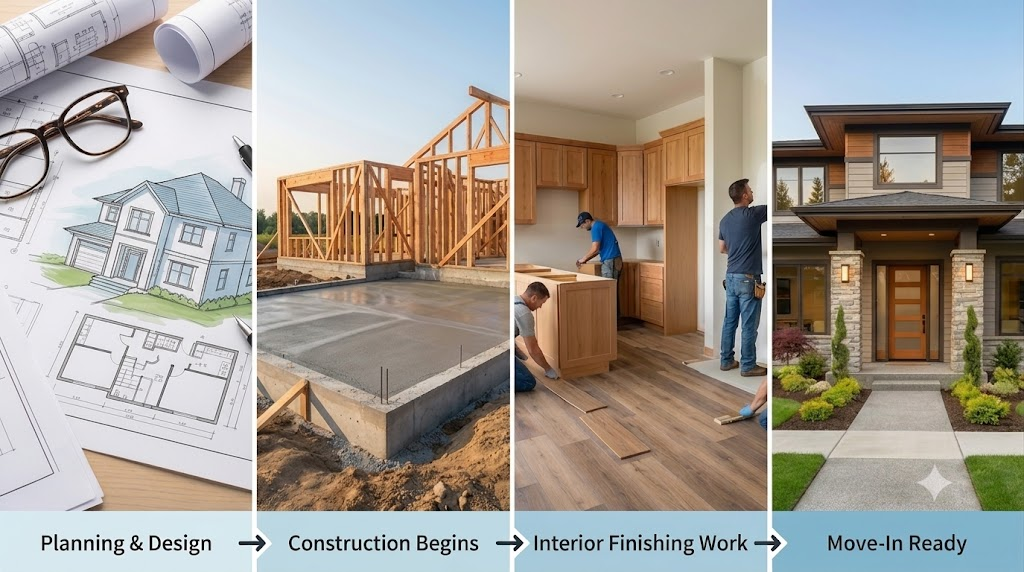
The first three to five months of any project are often the most critical, yet they involve the least amount of visible activity on the job site. This phase is dedicated to design, engineering, and administrative preparation.
Design Development and Customization
Architectural planning involves more than just aesthetic choices. It requires a deep dive into how the home will function. During this time, homeowners work with designers to finalize floor plans and interior specifications. For those prioritizing high-traffic areas, integrating specialized expertise in kitchen remodeling during the design phase ensures that plumbing and electrical layouts are optimized for modern appliances and custom cabinetry before the foundation is even poured.
Site Engineering and Environmental Testing
Orlando’s unique geography, characterized by sandy soil and frequent limestone deposits, demands rigorous site analysis. Civil engineers must conduct soil density tests to ensure the ground can support the weight of the structure. Furthermore, topographical surveys are necessary to plan for proper drainage, preventing water accumulation during Florida’s intense rain cycles.
Navigating Orlando Permit Timeframes
The transition from paper to property is governed by the municipal building department. In the Orlando metropolitan area, permit timeframes are a significant variable in the overall schedule. Depending on whether the property falls under the jurisdiction of the City of Orlando or Orange County, the review process can take anywhere from 8 to 16 weeks.
The building department scrutinizes every aspect of the project, including structural engineering, energy efficiency calculations, and fire safety. Any discrepancy in the blueprints can result in a “Request for Information” (RFI), which pauses the clock until the architect provides a solution. Utilizing an experienced team at Ace Home Construction helps mitigate these delays, as professional builders are familiar with local codes and the specific documentation required to move through the queue efficiently.
Breaking Ground: Foundations and Structural Framing
Once the permits are secured, the physical construction phases begin. This period is marked by rapid change and high-intensity labor.
Site Preparation and Foundation (Weeks 1–6)
The process starts with clearing the lot and “staking” the house, which marks the exact footprint of the structure. In Orlando, foundation work involves excavation, the installation of underground plumbing and electrical conduits, and the pouring of the concrete slab. Florida building codes require specific termite treatments and moisture barriers at this stage to protect the home’s longevity against the tropical climate.
Vertical Construction and Framing (Weeks 7–14)
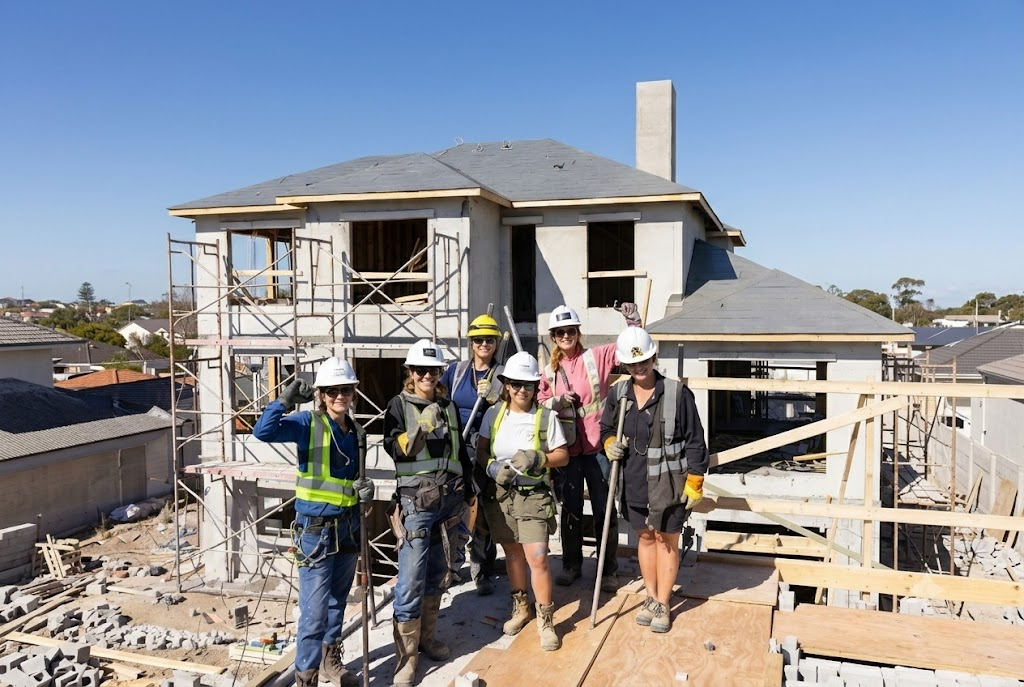
Framing is where the house begins to take its shape. In Central Florida, most luxury homes utilize a combination of concrete masonry units (CMU) for the first floor and wood framing for the upper levels and roof trusses. This stage is highly visual, as the skeleton of the home rises from the slab. However, framing is also highly susceptible to weather-related delays, particularly during the summer months when afternoon thunderstorms are a daily occurrence.
The Mechanical Rough-In and Infrastructure
With the shell of the house standing, the focus shifts to the internal systems that make the home habitable. This is often referred to as the “rough-in” stage.
Plumbing, Electrical, and HVAC (Weeks 15–22)
During this window, specialized tradesmen install the hidden infrastructure:
- Electrical: Wiring for panels, outlets, switches, and smart home technology.
- Plumbing: Water supply lines, waste pipes, and vent stacks.
- Mechanical (HVAC): The installation of ductwork and air handlers.
This phase is critical for future functionality. If the homeowner intends to include high-end fixtures or spa-like features, early coordination with specialists in bathroom remodeling ensures that the rough plumbing is positioned exactly for rain-heads, wall-mounted faucets, or freestanding tubs.
Inspections and Dry-In
Before the walls can be closed with drywall, a series of municipal inspections must occur. Building officials visit the site to verify that all electrical, plumbing, and mechanical work meets current safety codes. Simultaneously, the exterior of the home is “dried-in” with the installation of the roof, windows, and exterior doors, protecting the interior from humidity and rain.
Interior Finishes: The Art of Detail
Once the home is watertight and the internal systems are approved, the pace of construction shifts from heavy machinery to fine craftsmanship. This phase typically spans months five through nine of the physical build.
Insulation and Drywall
Insulation is installed to meet Florida’s strict energy codes, followed by the hanging and finishing of drywall. This stage transforms a construction site into a series of recognizable rooms. Once the drywall is sanded and primed, the interior environment becomes more controlled, allowing for the installation of moisture-sensitive materials.
Cabinetry, Countertops, and Trim
This is the stage where the homeowner’s aesthetic vision truly comes to life. Interior doors, baseboards, and crown molding are installed by finish carpenters. Following the trim, kitchen and bathroom cabinets are mounted. Orlando homeowners often choose stone or quartz countertops, which are templated after the cabinets are in place to ensure a precision fit.
External Influences: Seasonal Factors and Market Realities
A professional home construction timeline in Orlando must account for variables that are beyond the builder’s direct control.
Hurricane Season and Weather Constraints
From June through November, construction schedules must be flexible. Tropical storms and hurricanes can not only halt work on-site but can also disrupt the regional supply chain. Even standard afternoon rains can delay exterior painting, stucco application, and landscaping.
Supply Chain and Labor Demands
The booming real estate market in Central Florida creates a high demand for skilled labor. Strategic scheduling is required to ensure that subcontractors, such as tile setters and electricians, are available exactly when the project is ready for them. Additionally, certain luxury materials may have long lead times, requiring them to be ordered months in advance to avoid a standstill on the job site.
The Final Countdown: Finishing Touches and Closing
The final 4 to 6 weeks of the build are dedicated to “the details.” This is the time for final coats of paint, the installation of light fixtures, and the placement of flooring.
Landscaping and Hardscaping
While the interior is being finished, the exterior lot is graded, and irrigation systems are installed. Sod, trees, and ornamental plants are added to provide immediate curb appeal. This stage is also when driveways and walkways are poured or paved.
The Final Inspection and Certificate of Occupancy
Before you can move in, the home must pass its final set of inspections. The building department conducts a comprehensive review to ensure the structure is safe and complies with all local regulations. Once approved, a Certificate of Occupancy (CO) is issued. This is the legal green light that allows the homeowner to take possession of the property.
Final Walkthrough and Handover
The builder and homeowner conduct a final walkthrough to identify any minor “punch list” items, small cosmetic touch-ups that need to be addressed. This ensures that every corner of the home meets the high standards of a professional build. After the final cleaning, the keys are handed over, and the move-in process can officially begin.
Partnering with a trusted home construction company in Orlando ensures quality craftsmanship and long-term value.
Planning a townhome project in Orlando?
Contact Ace Home Construction for a professional consultation and expert guidance tailored to your needs.
Conclusion
Navigating the home construction timeline in Orlando requires professional foresight and precise coordination. While the journey from the first permit application to the final walkthrough involves numerous technical phases and regulatory checkpoints, the result is a structure tailored to the unique lifestyle and environmental demands of Central Florida. By understanding the potential impact of seasonal factors and the intricacies of local inspections, homeowners can approach the building process with a realistic roadmap for success.
The key to a seamless experience lies in the strength of your partnership with the construction team. As the final finishes are applied and the property transitions from a construction site to a private residence, the value of a well-structured plan becomes evident. If you are ready to transition from planning to active development, a professional team can help guide you through every milestone to turn your vision for a Central Florida home into a reality.
Frequently Asked Questions
1. How long does it typically take to build a house in Orlando?
While smaller homes may be completed in 10 months, most custom luxury homes in the Orlando area take between 14 and 18 months from the initial design phase to the final move-in.
2. What are the most common causes of construction delays in Florida?
The primary drivers of delays are weather-related events (specifically during hurricane season), municipal permit backlog, and the availability of specialized building materials.
3. At what stage should I select my interior finishes?
It is highly recommended to select all finishes, including flooring, cabinetry, and fixtures, during the pre-construction phase. Early selection prevents delays caused by backordered items.
4. Are there specific building codes unique to Orlando?
Yes, Orlando homes must adhere to Florida’s strict High-Velocity Hurricane Zone (HVHZ) standards, which influence everything from roof attachments to window impact ratings.
5. When is the best time of year to start building in Central Florida?
Starting in the late fall or early winter is often ideal, as it allows the foundation and framing stages to be completed during the drier months, reducing weather-related stoppages.